Welcome to Sol
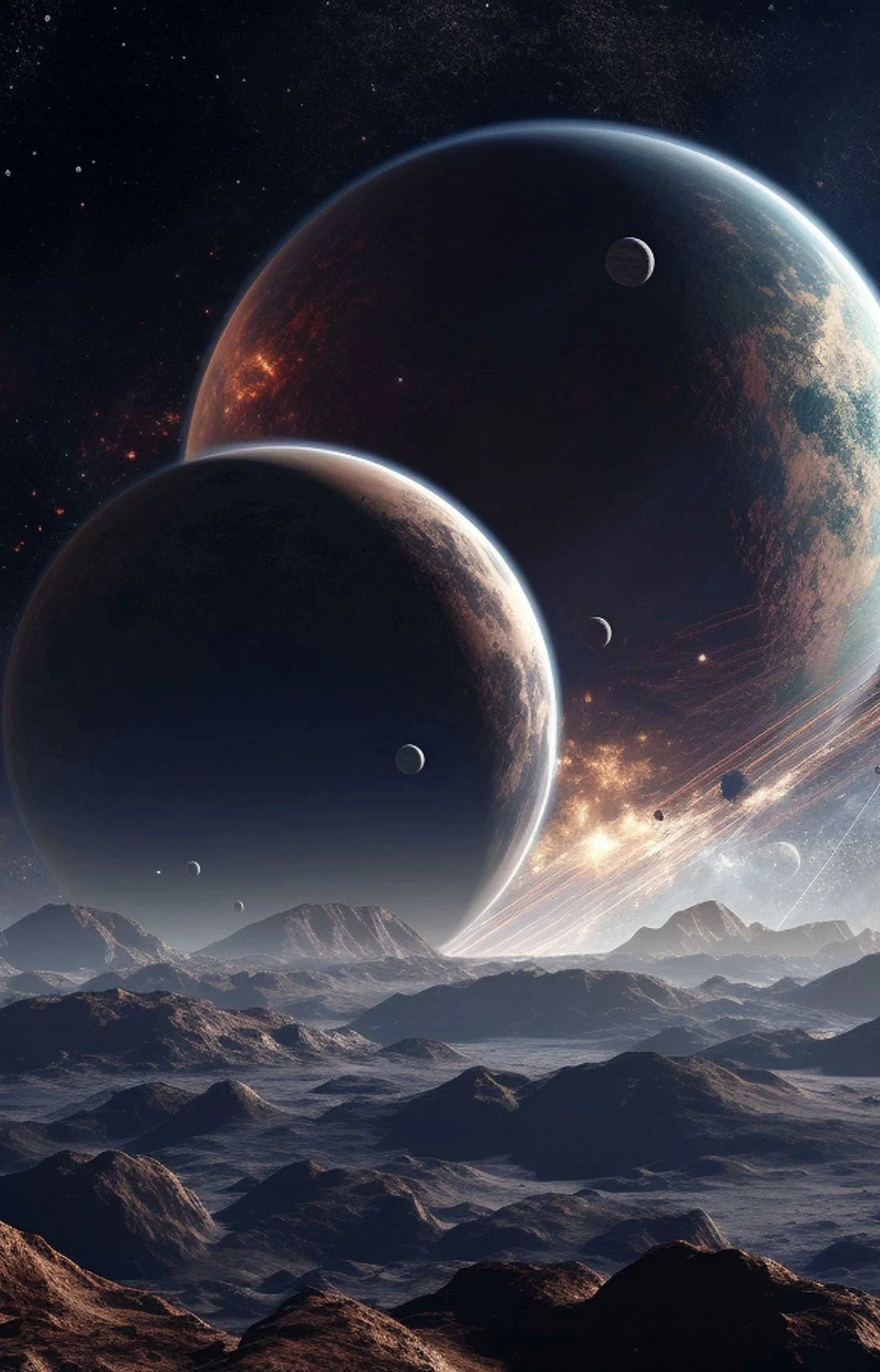
The solar system is the group of celestial bodies that orbit around the Sun, such as planets, dwarf planets, moons, asteroids, and comets. The eight major planets in our solar system are Mercury, Venus, Earth, Mars, Jupiter, Saturn, Uranus, and Neptune, with Pluto included here as a Kuiper Belt dwarf planet bonus stop. Apart from the planets, there are numerous other objects, including the asteroid belt, Kuiper belt objects, and Oort cloud objects. The essential characteristics of the solar system include the central star, its size and mass, the distribution and orbital characteristics of other celestial bodies, and the types of rocks and gases present.
Solar System at a glance
A quick reference for the main worlds explored in this guide.
Briefing /
Sol facts
Central star and reference point for the whole route.
Sol
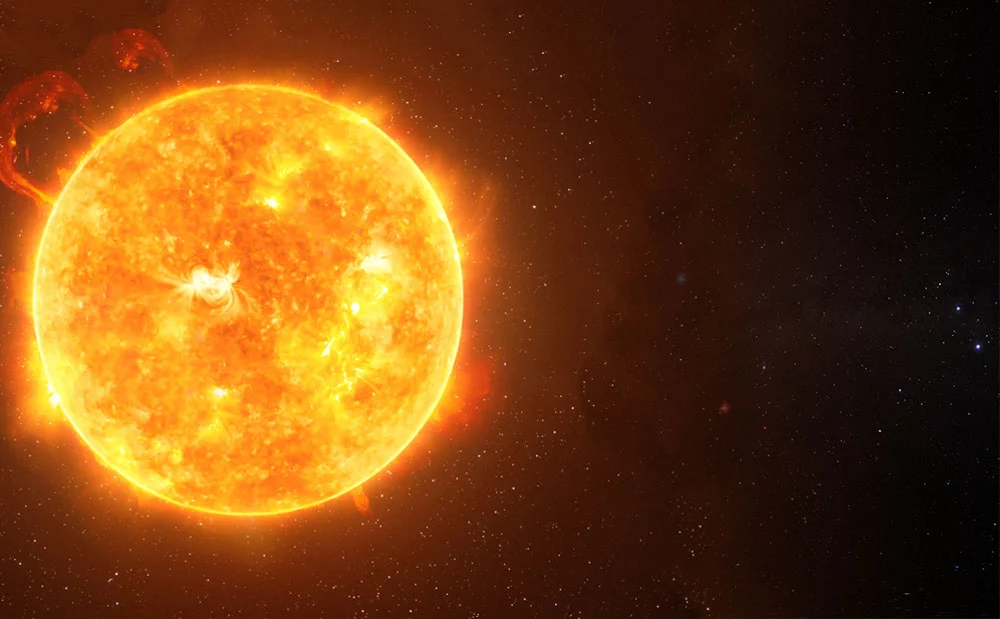
The sun is the star at the center of our solar system and the primary source of light and energy for our planet. It is a massive ball of hot, glowing gas, primarily composed of hydrogen and helium. The sun is about 93 million miles (150 million kilometers) away from Earth and is so massive that it makes up about 99.8% of the mass of our solar system. The sun is a G-type main-sequence star, which means it is in the middle of its life cycle and is fusing hydrogen atoms into helium in its core. This process releases a vast amount of energy in the form of light and heat, which Earth receives as sunlight.
Space weather briefing /
Solar Wind
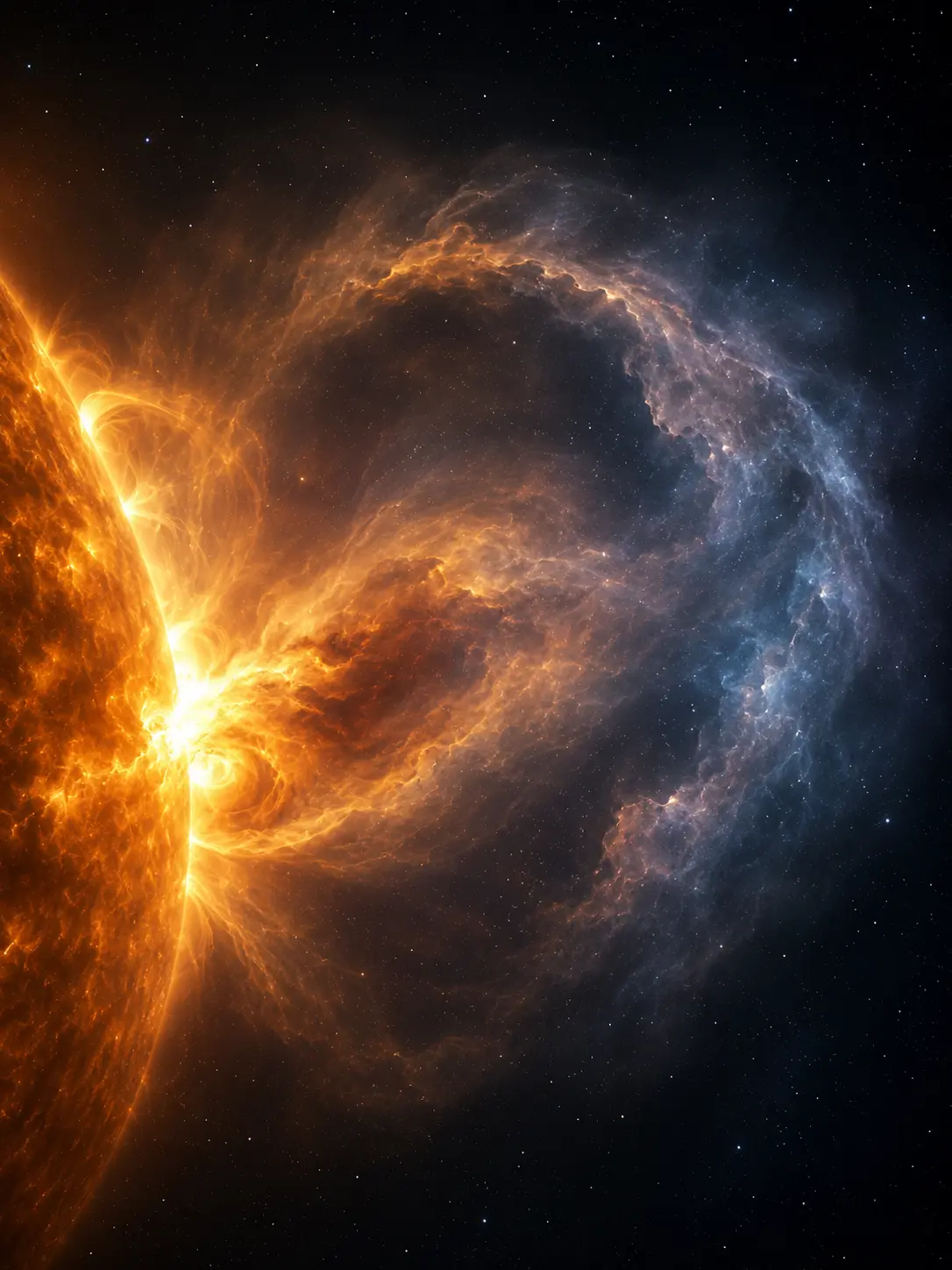
The solar wind is a constant stream of charged particles flowing outward from Sol. It shapes space weather, drives aurorae, interacts with planetary magnetic fields, and helps define the Solar System’s outer boundary.
Briefing /
Mercury facts
A compact rocky world closest to Sol.
Mercury
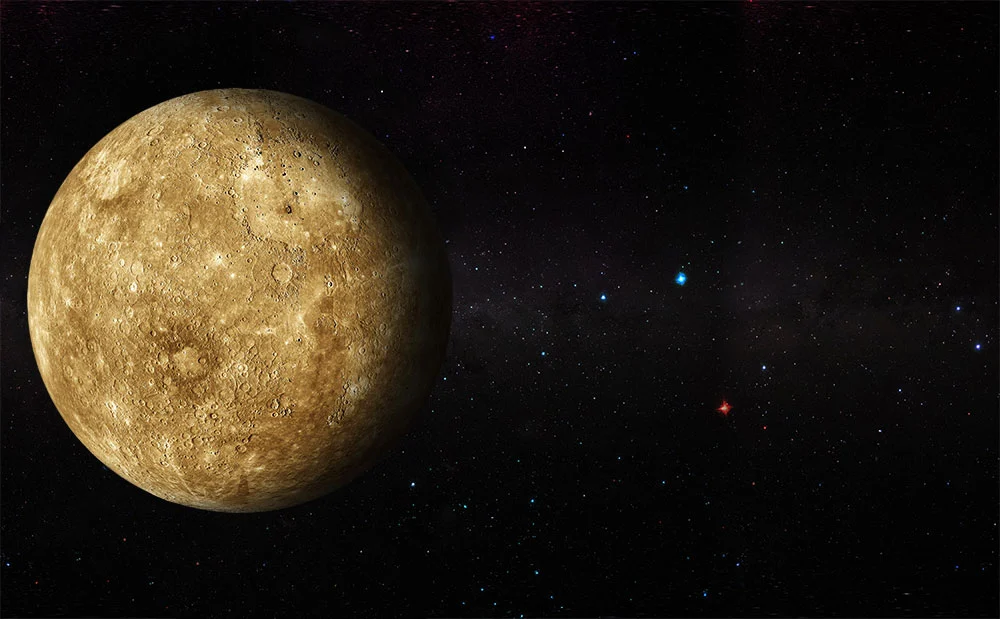
Mercury is the smallest planet in our solar system, located closest to the sun. It has a rocky surface, similar to Earth's moon, and no moons of its own. Mercury has a very thin atmosphere and experiences extreme temperatures, with daytime temperatures reaching up to 800 degrees Fahrenheit and dropping to -290 degrees Fahrenheit at night. Due to its proximity to the sun, Mercury has a short year of only 88 Earth days, and a day that is longer than its year, taking 59 Earth days to rotate once on its axis.
Briefing /
Venus facts
A bright inner world with a hostile atmosphere.
Venus
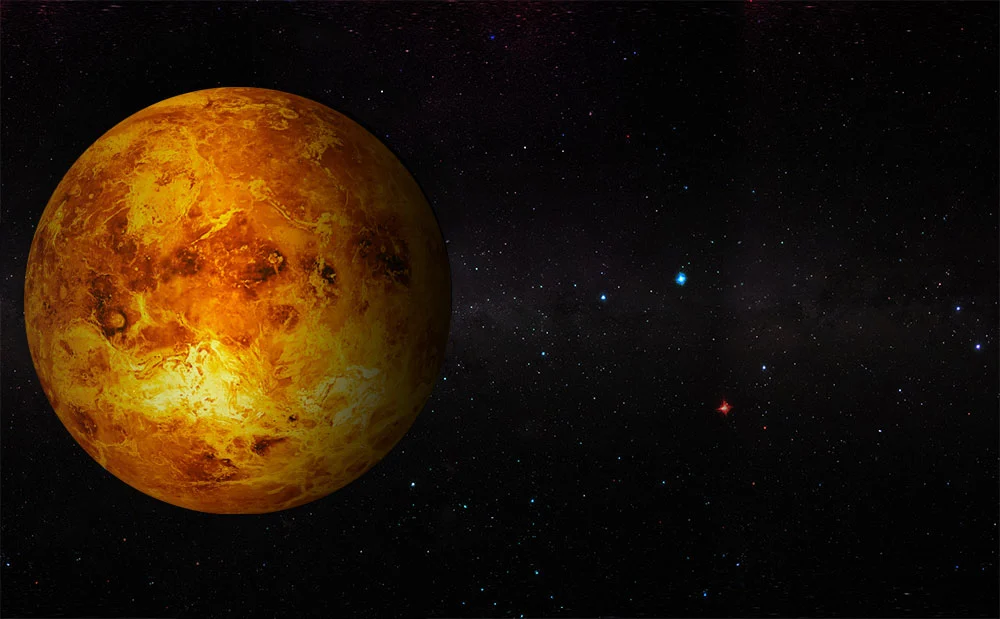
Venus is the second planet from the sun and is known as Earth's "sister planet" due to their similarities in size, composition, and proximity. However, Venus is a hostile environment with a thick, toxic atmosphere of carbon dioxide that traps heat, making it the hottest planet in our solar system. Surface temperatures can reach up to 900 degrees Fahrenheit, causing the planet to be uninhabitable for humans. Venus has no natural satellite and rotates in the opposite direction to most other planets. It is also the brightest object in the night sky, aside from the moon and the sun.
Briefing /
Earth facts
The baseline world for life and habitability.
Earth
Luna
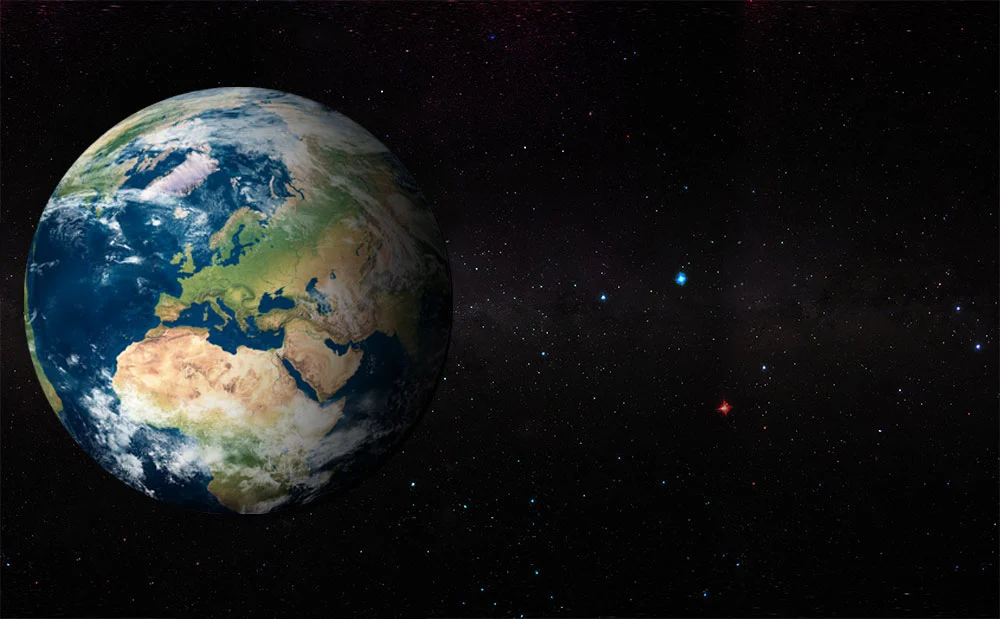
Earth is the third planet from the sun and the only known planet to support life. It has an atmosphere that contains oxygen, nitrogen, and carbon dioxide, which are essential for life. It has a solid surface with continents, oceans, and diverse ecosystems that are home to millions of species. Earth's rotation causes day and night, and its orbit around the sun takes one year to complete. It is also surrounded by a magnetic field that protects it from harmful solar radiation. Humans have a significant impact on Earth's environment and climate, and it is crucial to protect and conserve our planet for future generations.
Briefing /
Mars facts
A cold red world shaped by ancient water and exploration.
Mars
Phobos
Deimos
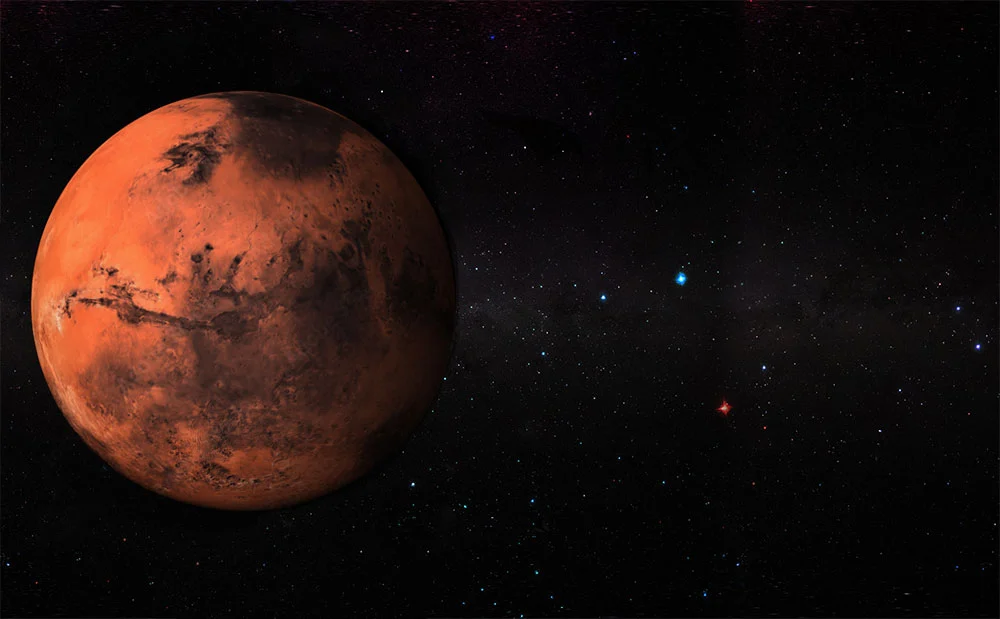
Mars is the fourth planet in our solar system and is known as the "red planet" due to its reddish appearance. It has a thin atmosphere composed mainly of carbon dioxide, and its surface is covered with mountains, valleys, and large canyons. Scientists believe that Mars had a warmer and wetter past, and have found evidence of the possibility of microbial life on the planet. It is also being explored by several missions, including the Mars rovers and planned human missions in the future. Understanding Mars is important in our search for habitable planets beyond Earth.
Region briefing /
Asteroid Belt
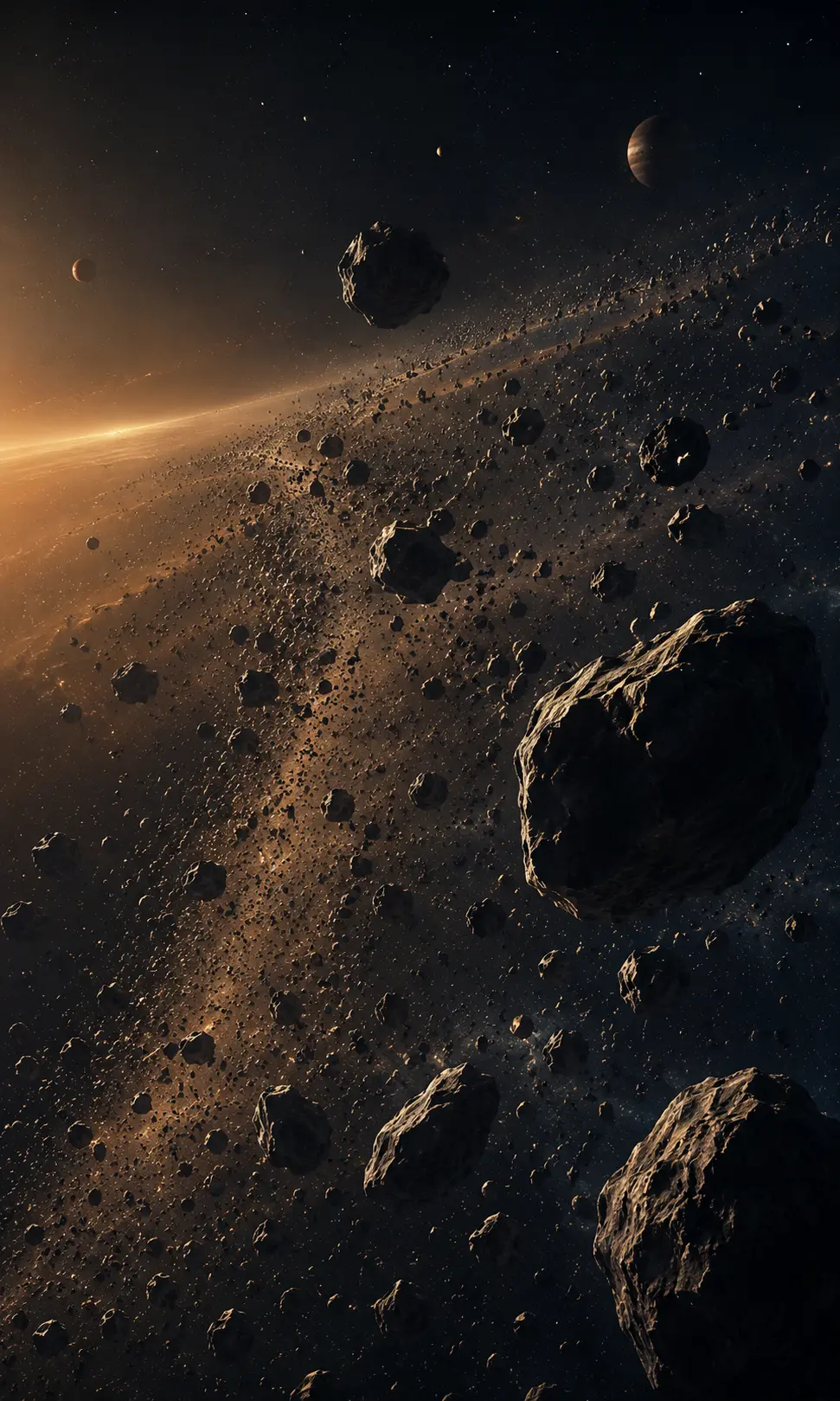
A broad band of rocky bodies between Mars and Jupiter. It marks the transition from the inner terrestrial planets to the giant planets, and includes Ceres, the largest object in the belt and a recognised dwarf planet.
Briefing /
Jupiter facts
The dominant giant of the outer Solar System.
Jupiter
Io
Europa
Ganymede
Callisto
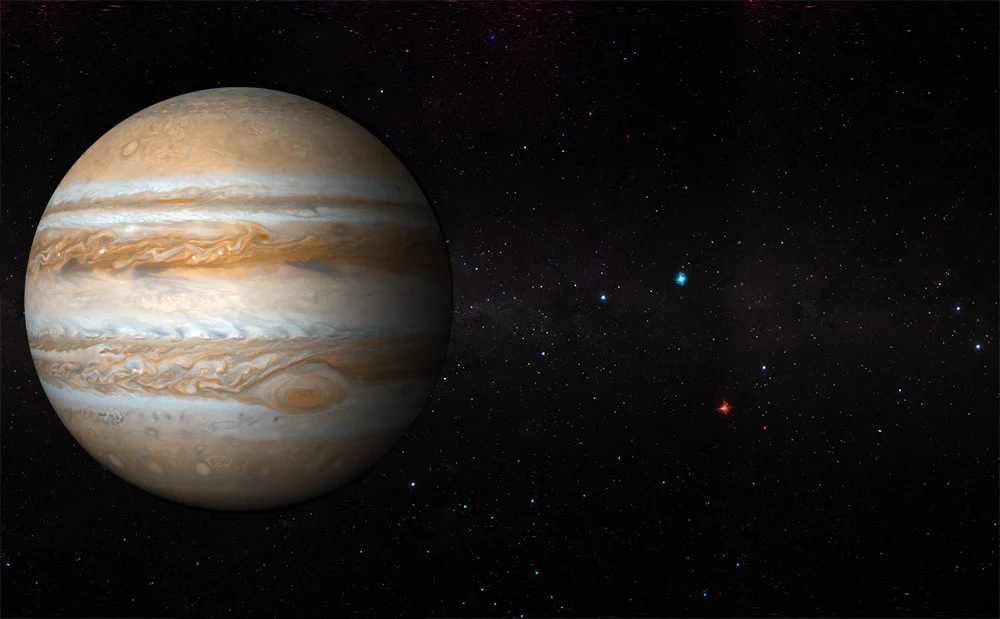
Jupiter is the fifth planet from the sun and the largest planet in the solar system, with a diameter of about 86,881 miles. It is a gas giant with a thick atmosphere composed of hydrogen and helium, and it has at least 79 moons. The iconic feature of Jupiter is the Great Red Spot, a massive storm with winds of up to 400 mph that has been raging for centuries. Jupiter also has a powerful magnetic field and many swirling, colorful cloud formations. It is a popular subject of study for astronomers and space probes alike.
Briefing /
Saturn facts
A pale gas giant defined by rings and complex moons.
Saturn
Titan
Enceladus
Rhea
Iapetus
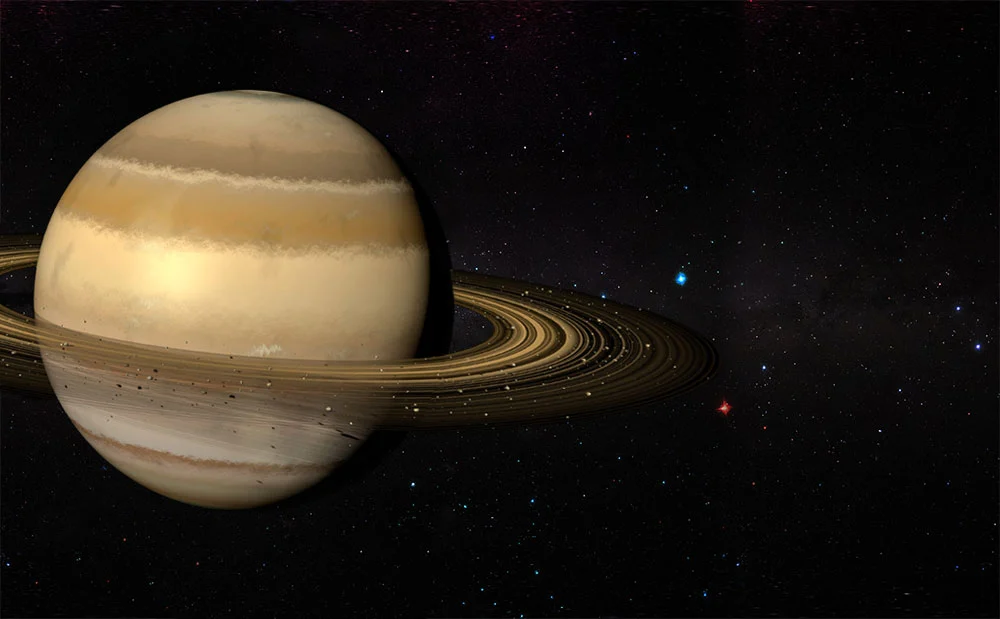
Saturn is the sixth planet from the Sun and the second-largest planet in our solar system. It is known for its distinctive rings made up of ice particles and rocks that orbit around the planet. Saturn's atmosphere is mostly hydrogen and helium, and it has dozens of moons, including the largest, Titan. The planet has been visited by spacecraft such as Voyager 1 and Cassini-Huygens, which have provided important insights into its atmosphere, magnetic field, and moons. Saturn takes about 29 years to orbit the Sun and spins on its axis in just over 10 hours.
Briefing /
Uranus facts
A tilted ice giant with unusual seasons.
Uranus
Titania
Oberon
Ariel
Umbriel
Miranda
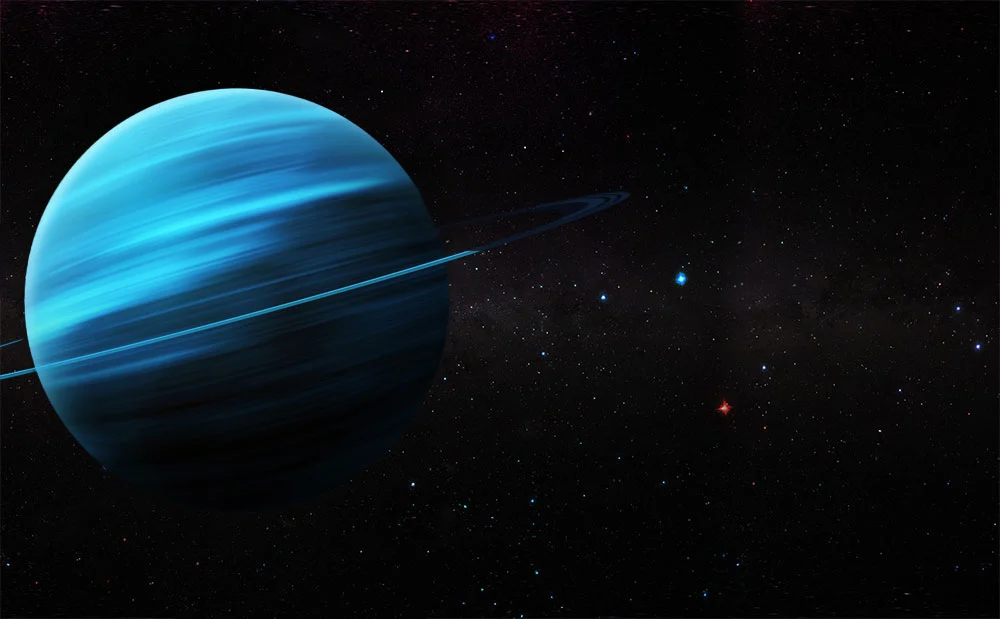
Uranus is an icy giant planet that was discovered in 1781 by William Herschel. It's known for its tilted axis of rotation, which causes extreme seasons on the planet. This tilt also leads to some very unusual weather patterns and atmospheric phenomena. Uranus has a system of 27 known moons and a ring system, but no solid surface like Earth.
Briefing /
Neptune facts
A distant blue ice giant with extreme winds.
Neptune
Triton
Proteus
Nereid
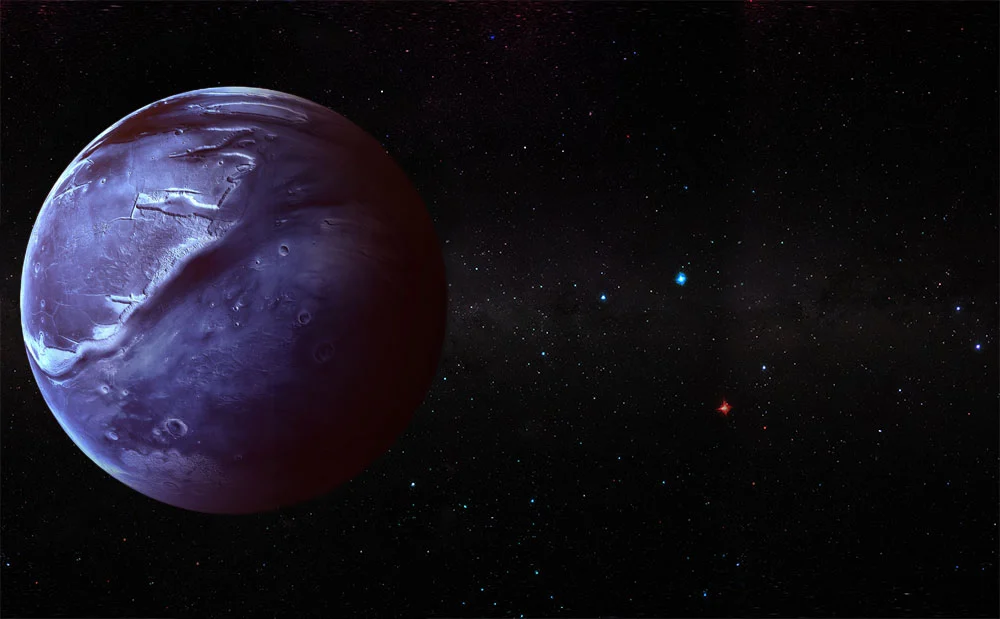
Neptune is the eighth and farthest known planet from the Sun in our solar system. It is a gas giant planet, meaning it is primarily composed of hydrogen, helium, and methane gases. It was discovered in 1846 by German astronomer Johann Galle and Heinrich d'Arrest. Neptune orbits the Sun at an average distance of about 2.8 billion miles (4.5 billion kilometers), taking about 165 Earth years to complete one orbit. Its orbit is slightly eccentric, which means its distance from the Sun varies slightly throughout the year.
Region briefing /
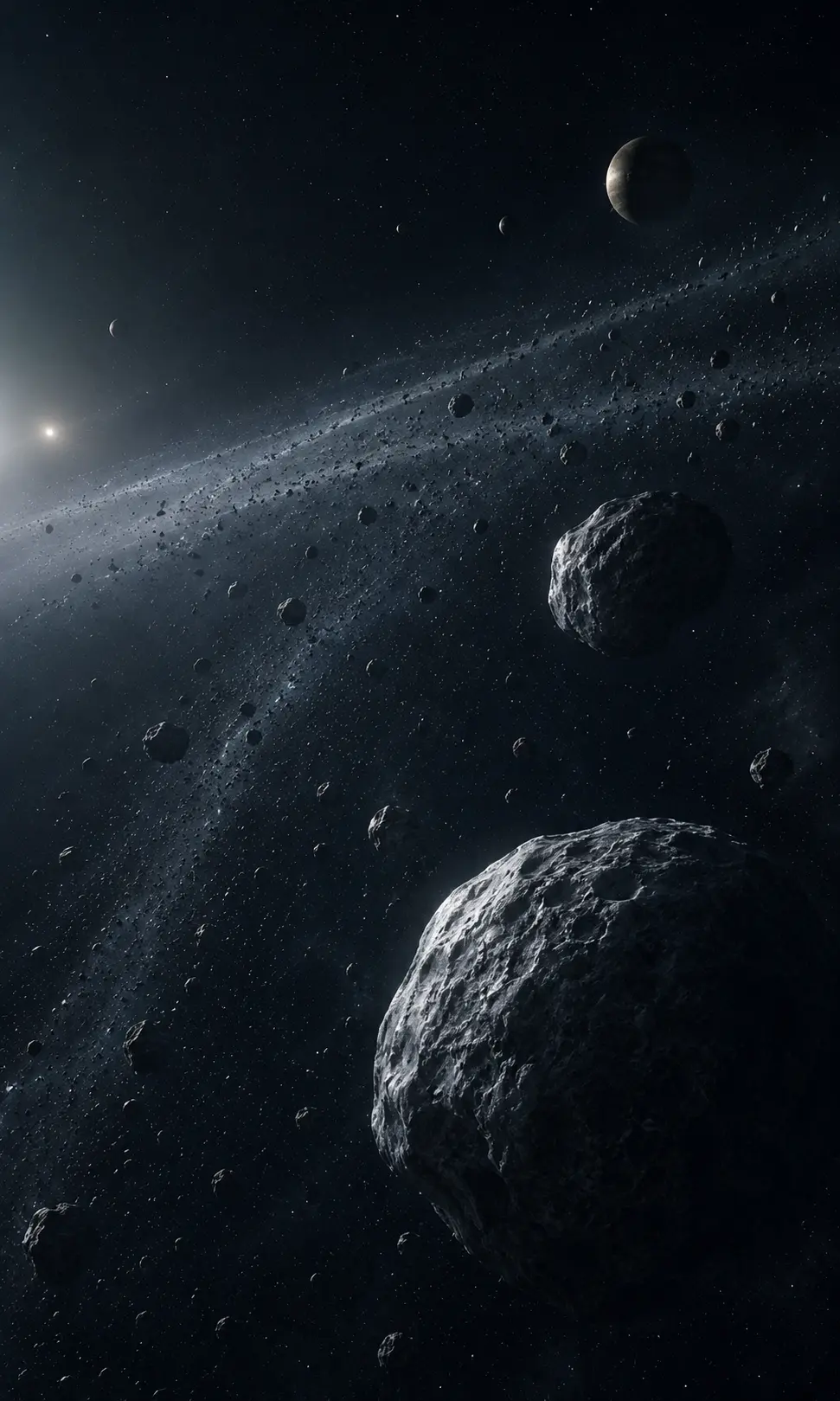
Kuiper Belt
The Kuiper Belt is a distant region of icy bodies beyond Neptune. It gives Pluto its wider setting and shows that the outer Solar System continues far beyond the last major planet.
Briefing /
Pluto facts
A Kuiper Belt dwarf planet explored by New Horizons.
Pluto
Charon
Nix
Hydra
Kerberos
Styx
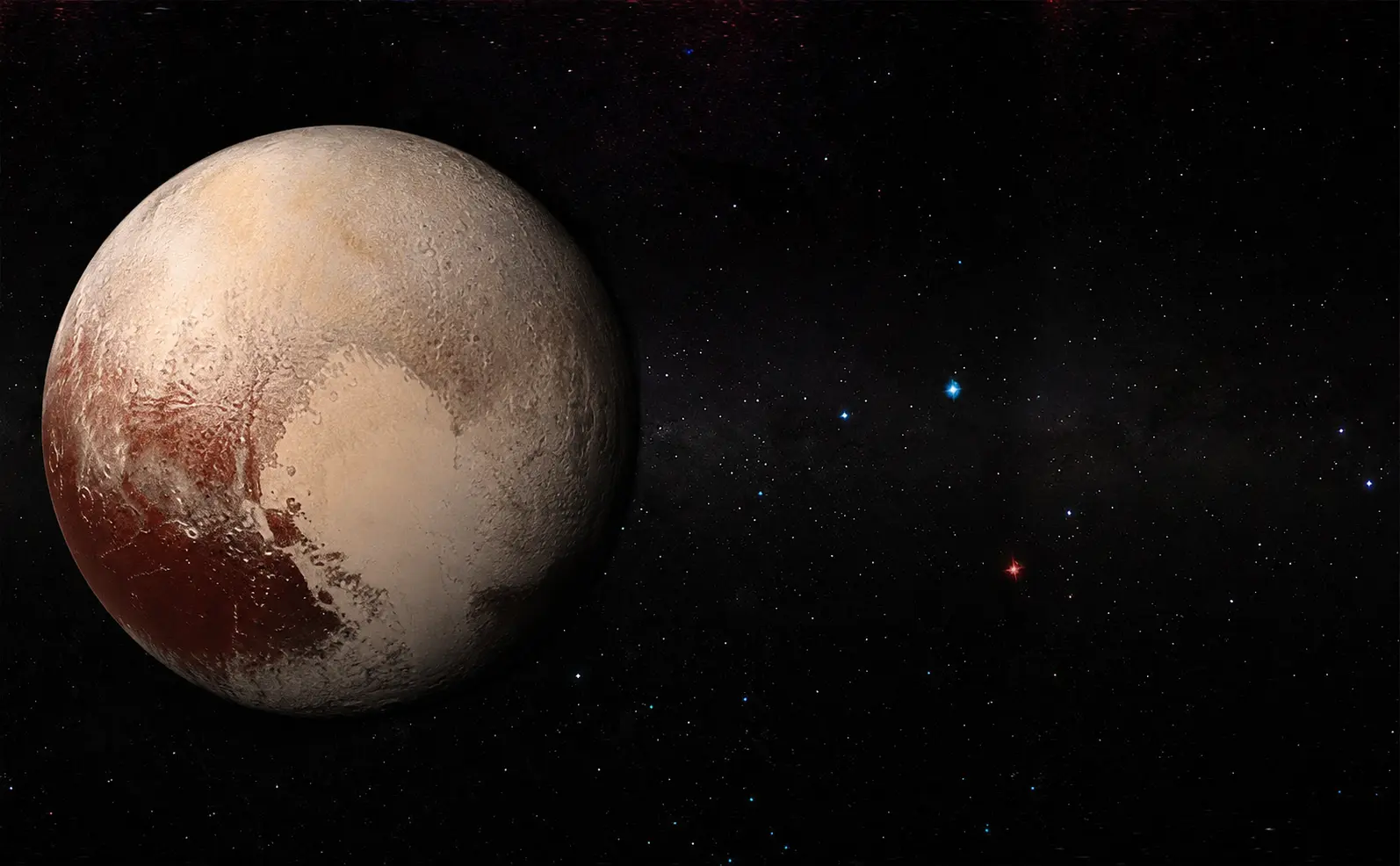
Pluto is a dwarf planet in the Kuiper Belt beyond Neptune. Once treated as the ninth planet, it is now understood as one of the best-known icy worlds in the outer Solar System. NASA’s New Horizons flyby revealed mountains, plains, atmospheric haze, varied surface colours, and the bright heart-shaped region known as Tombaugh Regio. Pluto also has a complex moon system led by Charon, making it a strong bonus stop after the eight major planets.
Mission briefing /
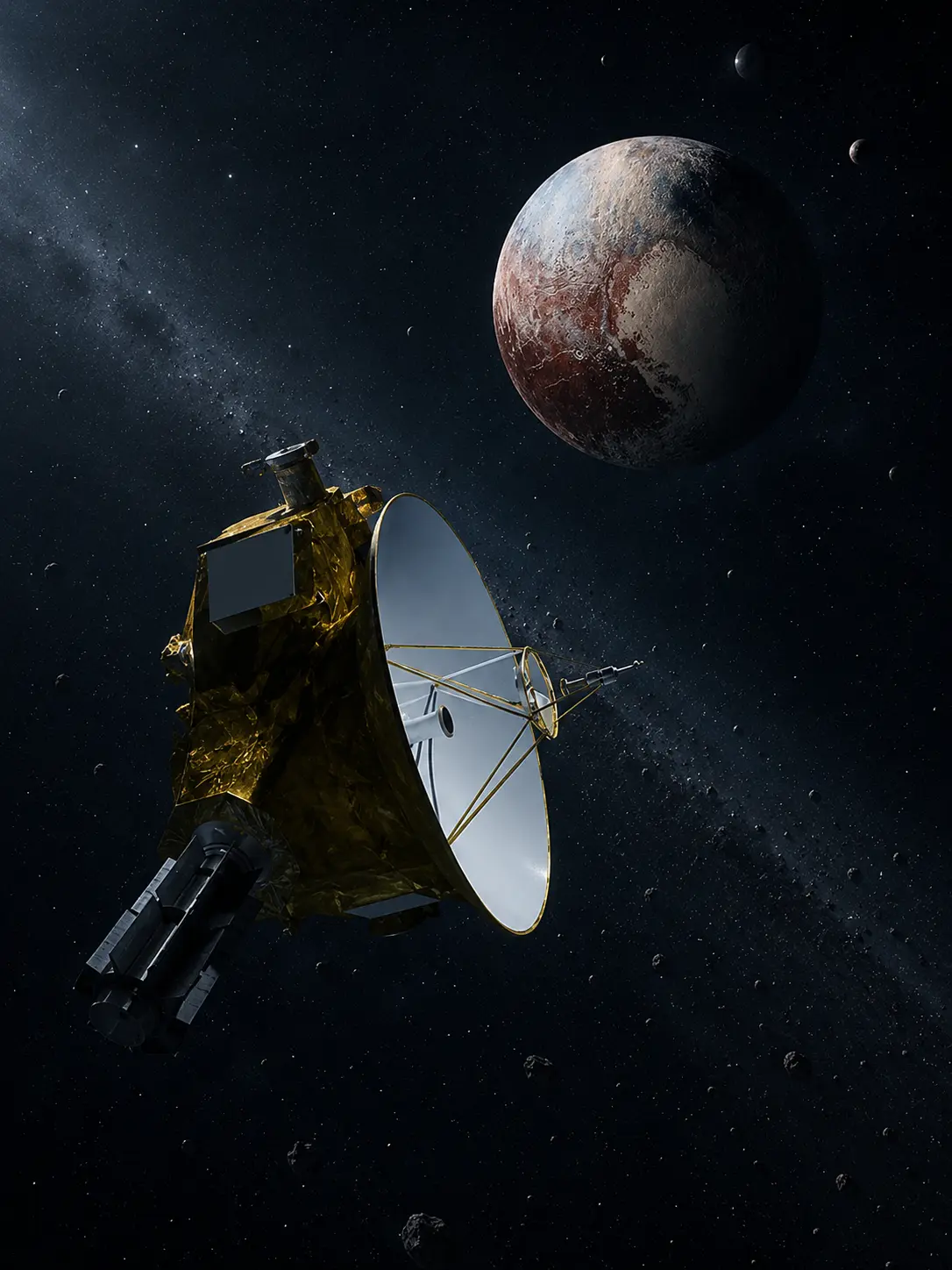
New Horizons
New Horizons turned Pluto from a distant point of light into a mapped world. Its 2015 flyby revealed mountains, haze, glaciers, varied colour, and the heart-shaped Tombaugh Regio.
Mission briefing /
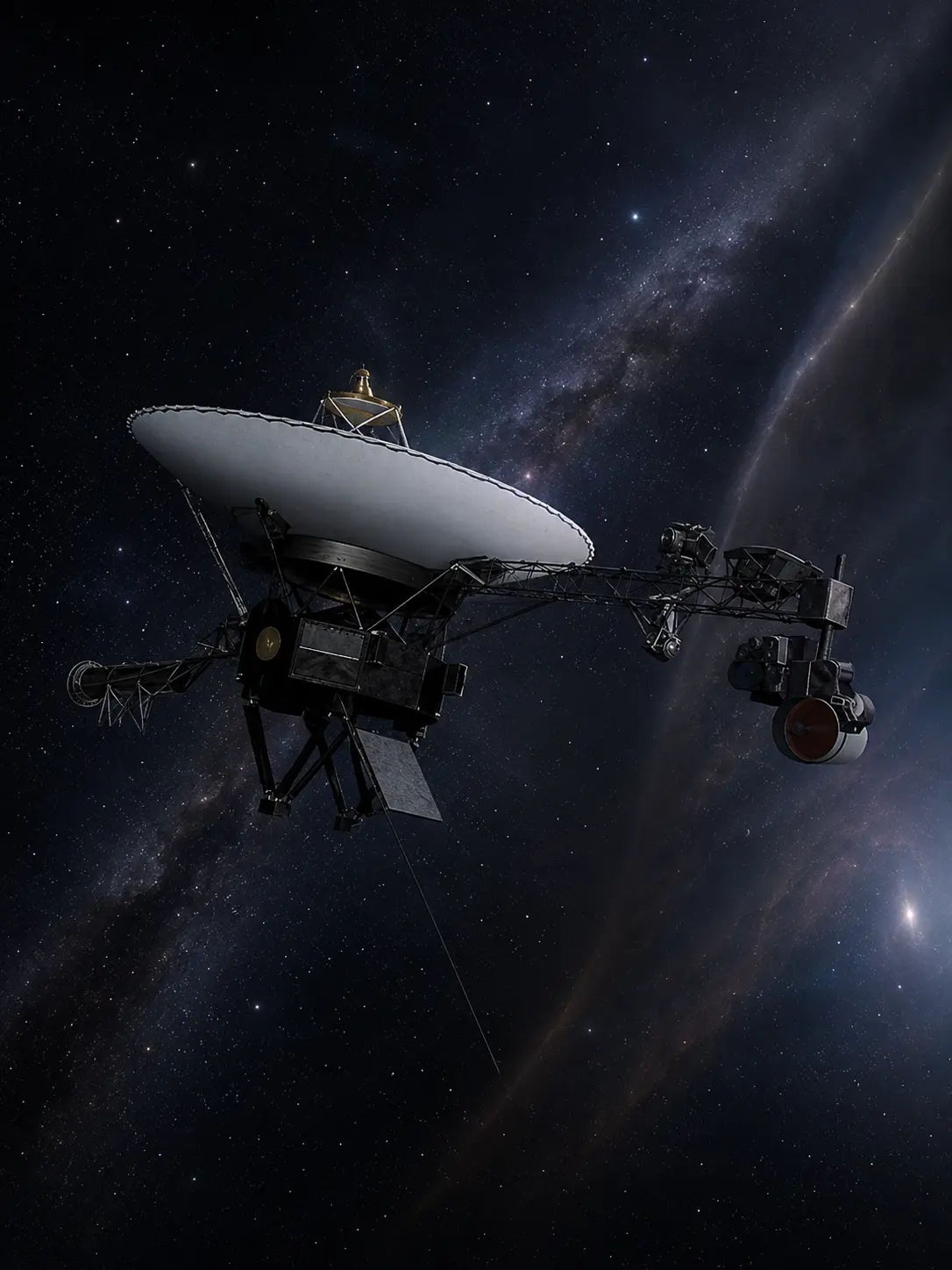
Voyager
Voyager 1 and Voyager 2 carried the planetary route outward, visiting the giant planets and continuing beyond them. Their journeys connect the familiar Solar System to deep space.
Boundary briefing /
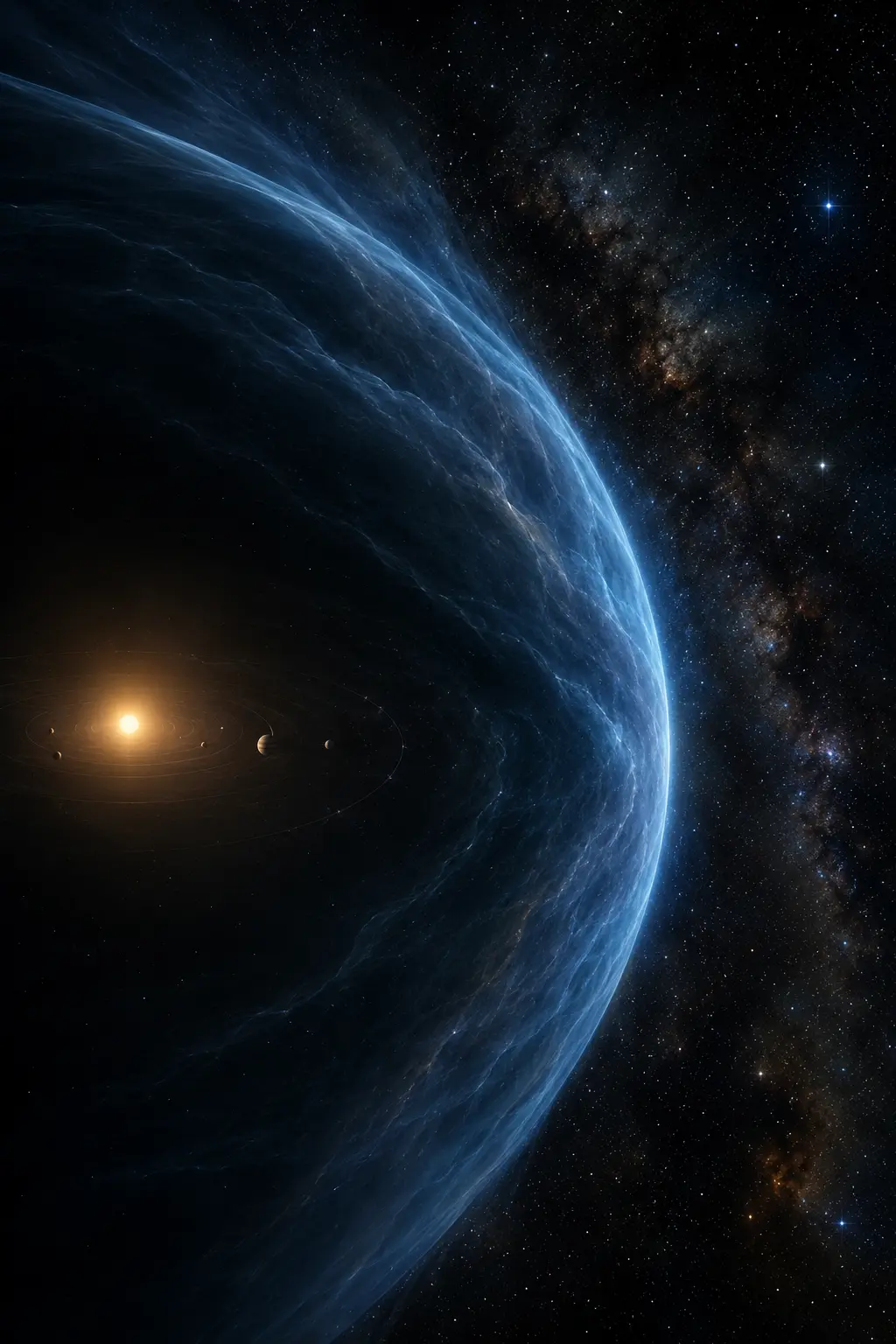
Heliosphere
The heliosphere is the vast bubble shaped by the Sun’s solar wind. It surrounds the planets and thins into a boundary region where solar influence gives way to interstellar space.